





AI wellness villas 2026 have quietly become the most interesting story in luxury property —and most people are still looking at the wrong metrics. The villa used to sell itself on three things: the view, the pool, and the thread count. That list now looks almost quaint. The new currency is predictive intelligence — villas that know you’re coming down with something before you do, frost their own windows when a drone gets curious, and treat the living room as a diagnostic clinic.
Bali Goes All-In on the Wellness Estate
Two developments broke ground in Bali this week that tell you everything about where the villa market is heading.
Raven Villa & Wellness is a 22-acre flagship near Nyang Nyang, with 13 ultra-luxury villas and an integrated wellness facility. The developer is targeting an $18M resale on a $6M build — a premium that only makes sense if buyers are treating “retreat-style” residential assets as a distinct asset class. Which they now are.
Alun Sanctuary, a 10-acre hospitality-led project, broke ground simultaneously. Different model (guest stays rather than residential ownership), same underlying bet: Bali’s 2026 identity isn’t vacation rentals, it’s high-capital wellness ecosystems.
And the big hotel groups have clocked it. Meliá confirmed this week that Paradisus Bali will be its first Southeast Asian wellness-designed destination, with follow-on openings in the Seychelles and Maldives through 2026. When a major hospitality group re-engineers its Asia-Pacific pipeline around wellness architecture, it’s not a trend — it’s a re-platforming.
This aligns with what the Global Wellness Summit flagged in January: a new category of “longevity residences” is emerging within wellness real estate, with a new generation of longevity-focused communities embedding preventive medicine, advanced diagnostics, biohacking and AI-driven personalization directly into daily living. Bali is simply the market that got there first at scale.
What’s Actually Live Right Now (The Deals)
For readers booking 2026 travel rather than buying villas, the shoulder season is doing some interesting things:
- Kamezí Boutique Villas (Lanzarote) has opened its 2026 calendar with a 20% early-bird discount — private pool villa, breakfast, and access to their Thermal Circuit in a Michelin-starred wellness centre.
- The Villa Collection is layering in a $1,000 concierge credit across all luxury villa bookings, usable on the now-standard “invisible” services: private transfers, car hire, pre-arrival grocery stocking.
- Maldives resorts are filling April shoulder-season gaps with “children stay free” and villa upgrades — worth watching if you’re flexible on dates.
The “$1,000 credit for invisible services” is the detail worth flagging. It’s a soft admission that the 2026 luxury traveller values seamlessness more than gilded amenities. Pre-arrival grocery stocking is, functionally, AI-era hospitality: the villa knows what you want before you arrive.
The Invisible Intelligence Layer
Here’s where the wellness story and the AI story stop being separate stories.
Building the villas themselves. BASF announced a significant HALS and NOR HALS production expansion this week. Unglamorous chemistry, but critical: these additives let 3D-printed villa components survive increasingly extreme UV and weather — the difference between a robotically-printed villa that holds its value for 30 years and one that doesn’t. Augmented reality is also now standard on major builds, letting owners walk through the structural frame via smartphone to catch plumbing and wiring errors before the walls close up.
Living inside them. This is where it gets genuinely interesting:
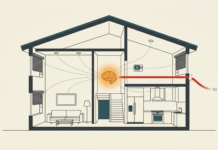
- Privacy glass with gait recognition. When the villa’s sensors detect a drone within a set radius, the windows frost in milliseconds. The paparazzi-era villa is quietly being rebuilt for a surveillance-era clientele.
- Medical-grade air filtration. AI-managed systems now scrub 99.9% of germs and dust, adjusting filtration levels based on room occupancy — the villa as biological manager.
- Samsung’s Vision AI Companion, debuting this month across Samsung’s 2026 TV lineup, acts as the home’s passive health monitor. Elder-care tools, fall detection, prolonged-coughing detection — all without a wearable. Healthcare walks into the living room and sits down next to the remote.
What It Means for the 2026 Luxury Traveller
Three things worth taking away, if you’re planning travel or watching the sector:
- “Wellness villa” is becoming a meaningful category, not marketing filler. The $18M Bali valuations and Meliá’s pipeline are a real signal — expect the 2026 luxury villa brochure to look more like a longevity clinic prospectus than a hotel listing.
- Invisible intelligence is the new thread count. What separates a 2026 luxury villa from a 2022 one isn’t the finishes. It’s whether the building is quietly aware of you — your sleep, your air, your privacy — without requiring a single app or voice command.
- The premium is in the pre-arrival. The $1,000 credits, the groceries in the fridge, the circadian lighting pre-set to your travel schedule. The best villas in 2026 will feel like they’ve been waiting for you specifically.
None of this makes the view or the pool irrelevant. But if you’re writing a cheque for a week’s stay or for a residential asset the conversation has moved on. The villa is no longer the backdrop. It’s the intervention.
The Luxury Storyteller tracks the luxury villa and travel market for affluent solo travellers over 40. For curated last-minute luxury villa bookings, visit Secluded Stays.